
Designing the rehabilitation and replacement of aging utility infrastructure to support uninterrupted healthcare operations for veterans.
at a glance
at a glance
The Challenge
Reliable utilities are fundamental to hospital operations. Interruptions to water, steam, or wastewater systems can affect patient care, facility operations, and campus safety.
The 200-acre Eugene J. Towbin Memorial Veterans Hospital campus includes more than 60 buildings served by aging utility infrastructure. With limited documentation of existing systems, the project required comprehensive investigation to determine where infrastructure should be rehabilitated, replaced, upsized, or relocated.
The VA needed a long-term strategy for modernizing these systems while maintaining the infrastructure that supports healthcare operations across the campus.
our approach
Drummond Carpenter led engineering studies and design for the rehabilitation and replacement of four major utility systems serving the campus. With incomplete information about existing utilities, our team began by investigating and documenting existing conditions before developing replacement strategies, including:
The project treated the campus utilities as an interconnected system supporting critical healthcare operations rather than addressing individual failures in isolation.
The resulting designs gave the VA a coordinated strategy for rehabilitating and replacing aging utilities while planning implementation around the operational demands of an active medical campus.
Replacing underground utilities beneath an active medical campus requires engineering around systems that must remain in service. Construction sequencing and system integration had to account for ongoing hospital operations throughout implementation.
Key project considerations included:
Drummond Carpenter provided technical leadership and peer review across specialty subconsultants, bringing the individual designs together into an integrated utility program planned for long-term performance.
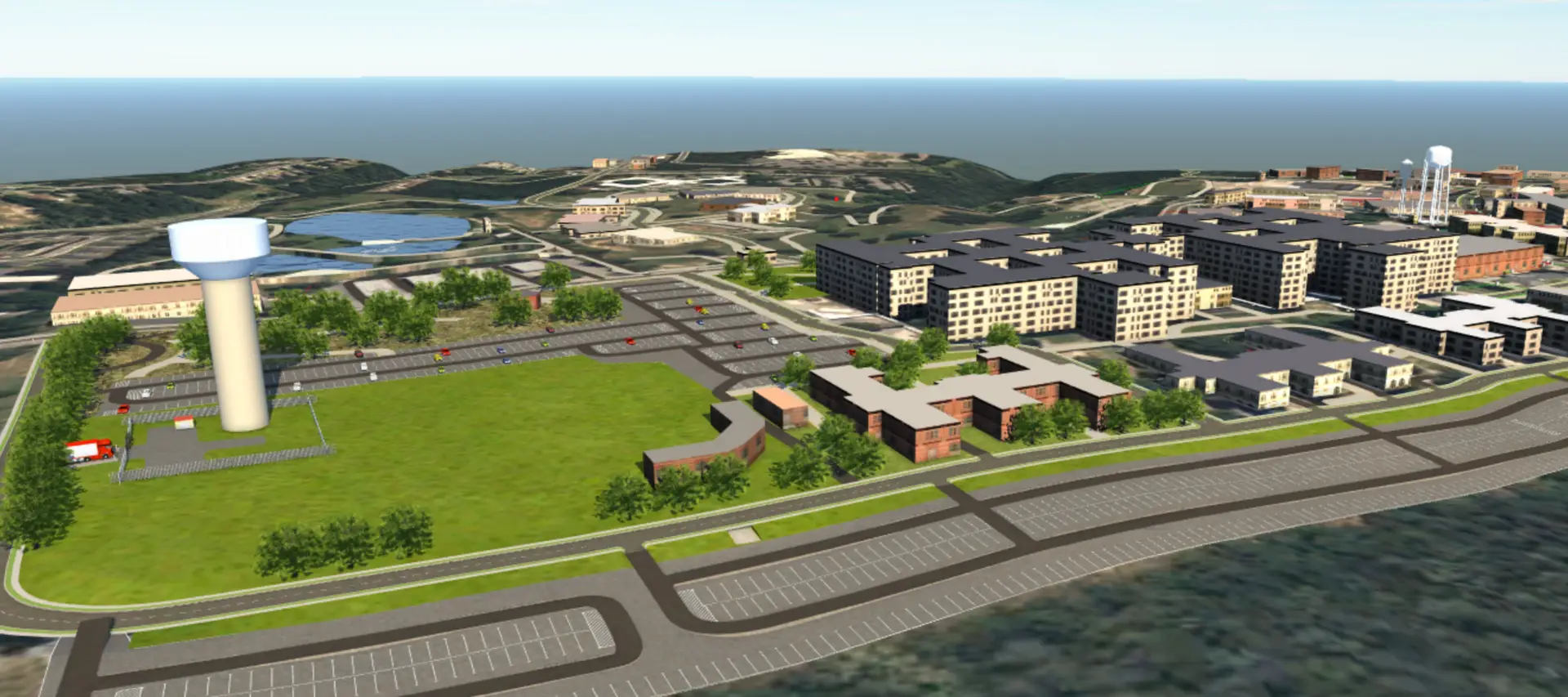
The engineering studies and designs established a coordinated path for modernizing critical utility infrastructure across the medical campus.
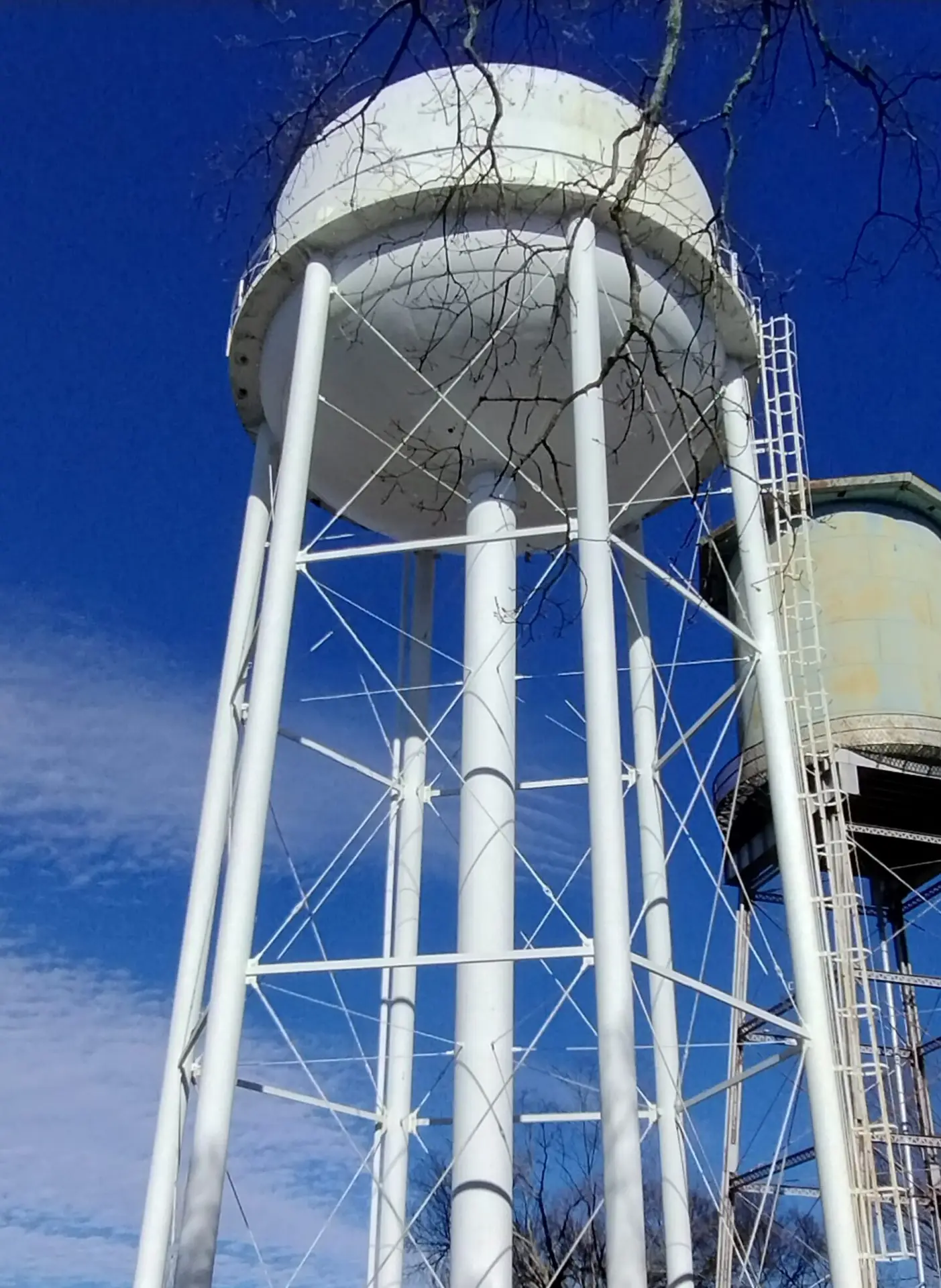
Hospitals depend on infrastructure that performs continuously, often without anyone noticing. Water, steam and wastewater systems support patient care every hour of every day, making reliability a central consideration when aging systems need to be replaced.
At the Eugene J. Towbin Memorial Veterans Hospital campus, that meant planning major utility upgrades around ongoing healthcare operations. Drummond Carpenter’s engineering work gave the VA a coordinated approach for modernizing those systems while maintaining the services the campus depends on.